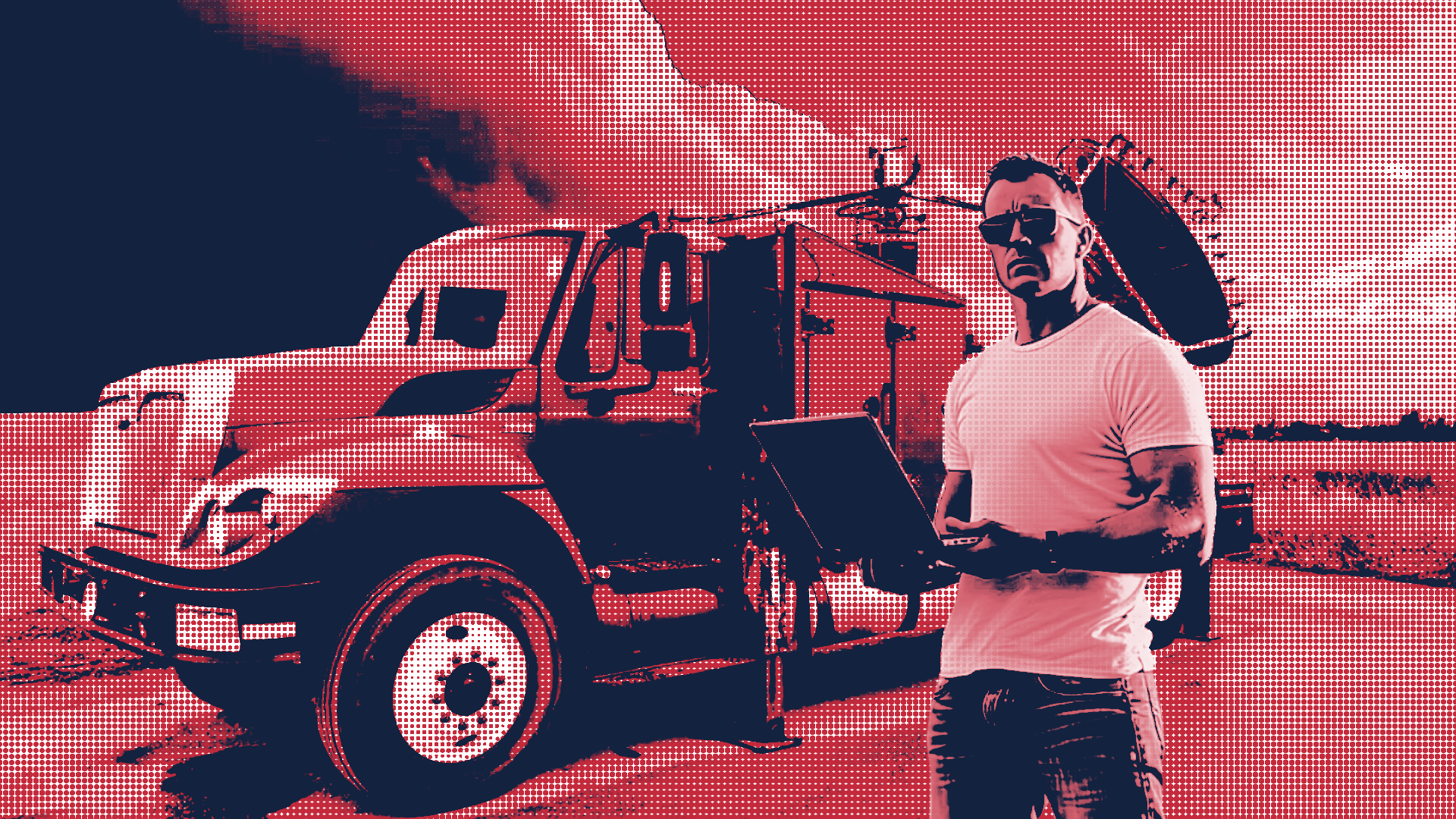
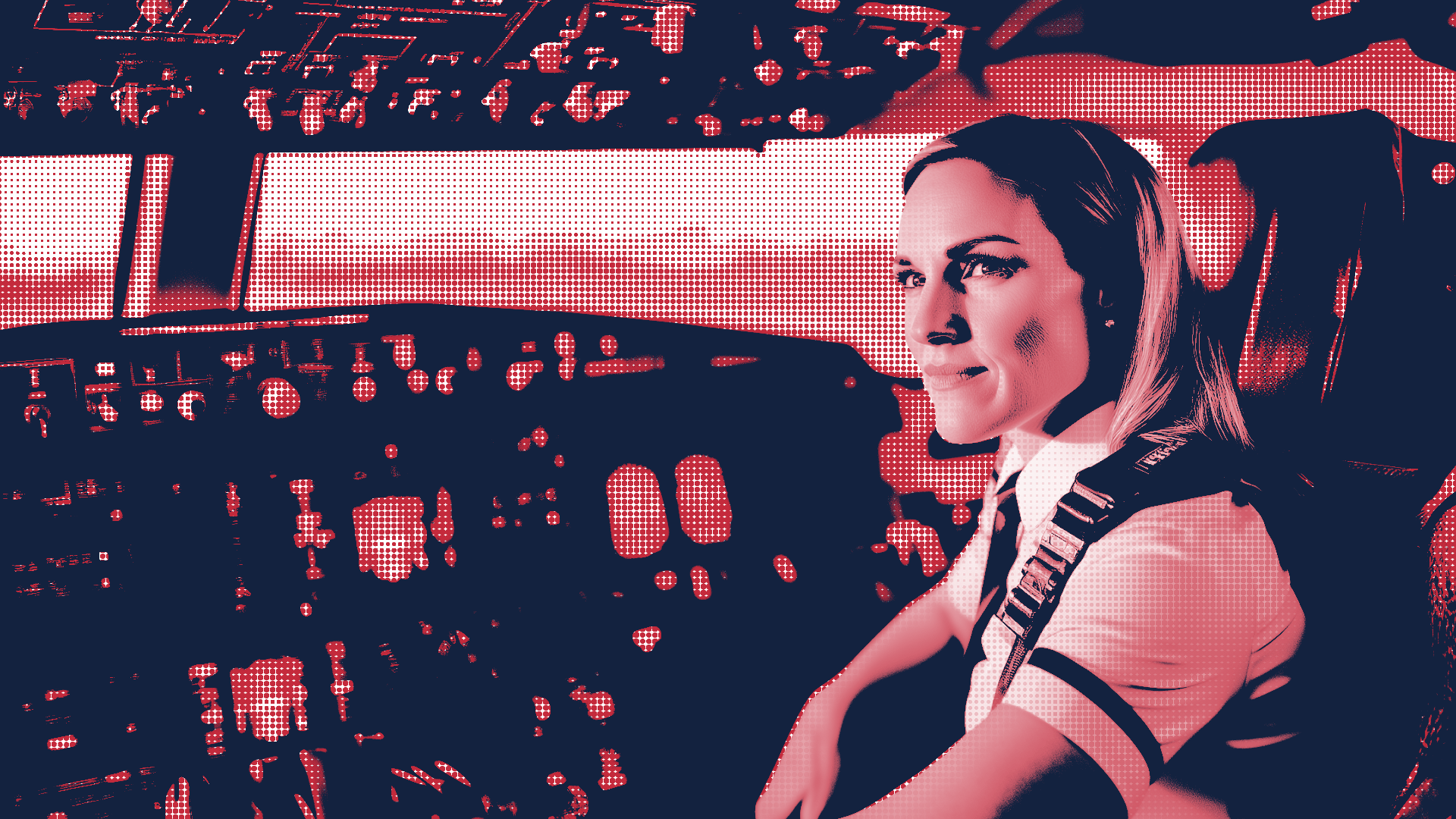
From whiteout blizzards and freezing rain to clear-air turbulence and in-flight icing, what goes on in the atmosphere can threaten the safety of travelers in the air or on the road.
Our researchers are working on solutions that make travel safer, including tools that pilots can use to navigate around dangerous turbulence and targeted road weather forecasts built with the help of data collected from connected vehicles.
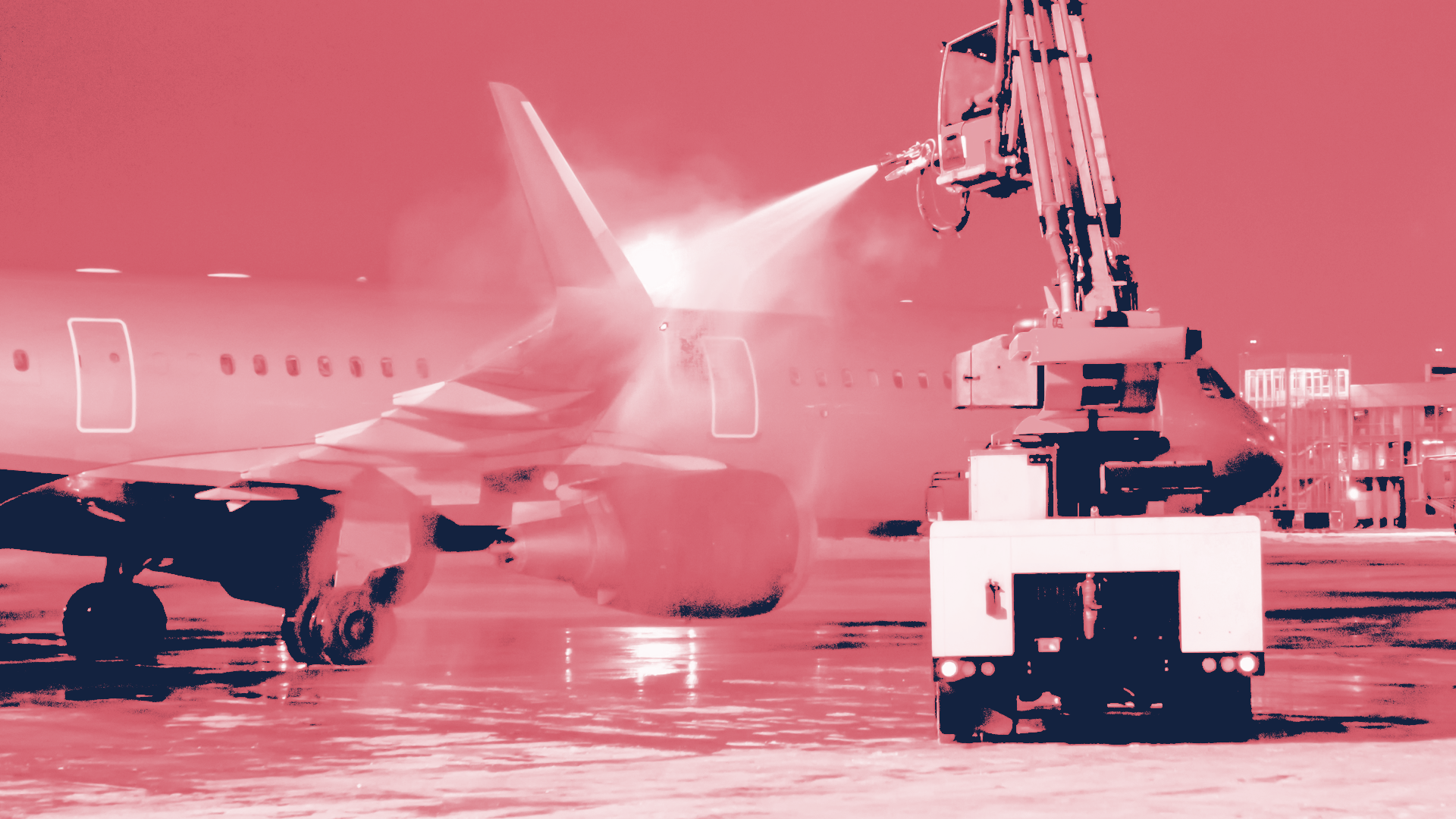
NSF NCAR researchers have developed tools that provide detailed weather guidance to pilots, dispatchers, air traffic controllers, and airport operators to make air travel safer. This includes the wind shear alert system that is used at airports across the United States and guidance on turbulence, icing, and severe storms.
The Pikalert® system, developed by NSF NCAR, incorporates vehicle-based measurements of the road and surrounding atmosphere with more traditional weather data sources to create road and atmospheric hazard products for state transportation crews and the traveling public.
NSF NCAR researchers used artificial intelligence to develop a machine-learning model to predict road pavement friction, information that can be used to lower speed limits when roads become slippery.
Our scientists are working to understand how urban weather impacts drone operations and how weather miles above Earth’s surface affects supersonic jets and solar-powered ultralight gliders in order to develop fine-scale, tailored methods of minimizing weather-related hazards.